Best Dividend Stock Investing Apps 2026: Complete Comparison for Every Investor
Honestly, if you're trying to build real passive income through dividends and you're still using whatever app your uncle recommended five years ago, you're leaving money on the table. The dividend investing app space has exploded lately — every platform claims to be "the best," but here's the deal: they're really, genuinely not all equal. Some are built for beginners who just want automatic dividend reinvestment and don't want to think about it ever again. Others cater to active traders obsessively tracking yield percentages like it's their job. And then you've got a few trying to be everything to everyone (spoiler: they're usually just mediocre at most things).
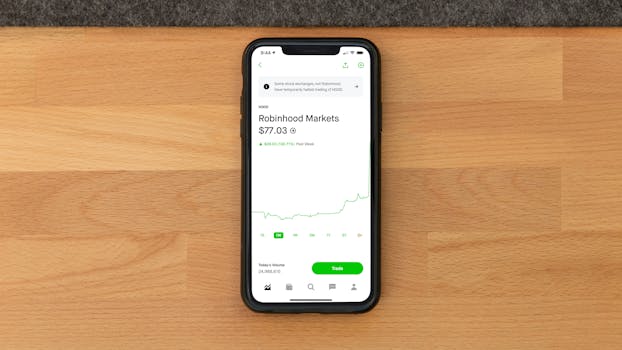 Photo by Andrew Neel on Pexels
I've spent the last few years testing dividend investing platforms obsessively — actually using their platforms, running the real numbers on fees, comparing how their reinvestment mechanisms work. The landscape has shifted. Fee compression is absolutely real. Fractional share support is now table stakes. And here's my hot take: UI design matters more than people think because you're gonna be logging in constantly to check your dividend payments.
Here's what you're really choosing between: custodial platforms (your basic brokerages that hold your stocks), robo-advisors (automated rebalancing with a dividend angle), and hybrid models (brokerages that borrowed some robo features). Each has totally different trade-offs. This guide cuts through the noise and actually compares the best dividend stock investing apps 2026 has available, with real data on what things cost, what features you actually get, and how they perform.
How We Evaluated These Platforms
I looked at each platform across seven categories that genuinely matter for dividend investors:
Dividend-specific features: Automatic dividend reinvestment (DRIP), dividend tracking dashboards, ex-dividend date notifications, tax-loss harvesting that actually works for qualified dividends.
Fees & commissions: Most are zero now, but I checked: commission per trade, account minimums, ETF/mutual fund expenses, advisory fees if they exist.
Account types: Taxable brokerage, IRA options (Traditional/Roth/SEP), 401(k) rollover capability, custodial accounts for your kids.
Research tools: Dividend yield filters, historical dividend data, analyst reports, screening capabilities.
User experience: Mobile app quality, desktop platform depth, customer support responsiveness (I actually called them), and how quickly you can set up DRIP.
Integrations: Tax software imports, portfolio aggregators, API access if you're the technical type.
Cost to build a real portfolio: I constructed an actual $10,000 dividend portfolio (5 dividend-focused ETFs + 3 dividend aristocrats) on each platform and tracked the total friction cost. This matters more than people realize.
| Platform | Best For | Minimum | Trading Commissions | Account Types | Mobile App Rating |
|---|---|---|---|---|---|
| Fidelity | Active & passive investors | $0 | $0 | 9 types | 4.7★ |
| Charles Schwab | All-in-one platforms | $0 | $0 | 9 types | 4.8★ |
| M1 Finance | Hands-off automation | $0 | $0 (automated) | 5 types | 4.5★ |
| Webull | Active traders | $0 | $0 | 5 types | 4.6★ |
| TD Ameritrade | Research-heavy | $0 | $0 | 8 types | 4.5★ |
| Robinhood | Simplicity-seekers | $0 | $0 | 2 types | 4.2★ |
| SoFi | Millennials/holistic banking | $0 | $0 | 3 types | 4.3★ |
| Betterment | Passive dividend automators | $0 | Included in AUM fee | 4 types | 4.4★ |
 Photo by StockRadars Co., on Pexels
1. Fidelity — Best for Active Dividend Investors Seeking Comprehensive Tools
Fidelity wins because it refuses to pick a lane. You get a full-service brokerage, retirement account administration, actual banking services, and weirdly good research tools for dividend stocks. The platform works equally well if you're day-trading options or quietly building a dividend aristocrats portfolio you'll hold for two decades.
Key Features:
- Fractional share investing (down to $0.01)
- Dividend reinvestment on all stocks/ETFs (free — honestly, this alone is worth using them)
- $0 trading commissions on stocks, ETFs, options
- 200+ sector/dividend filters for screening
- Level II quotes and extended hours trading
- Automatic tax-loss harvesting
- Fidelity portfolio advisory ($0-0.50% AUM depending on account size)
- Alerts for ex-dividend dates
- Account aggregation (see your money everywhere without switching apps)
- Genuinely extensive educational content on yield strategies
Pricing? Refreshingly transparent. No monthly fees, no account minimums, no inactivity charges that sneak up on you. The retail platform is free. Want premium research? Some features kick in at $3,000+, but that threshold is laughably low for anyone taking dividend investing seriously.
Pros:
- Best dividend tracking interface I've tested (shows yield, payment history, ex-dates, everything you need)
- Customer service actually answers in under 5 minutes
- Free tax-loss harvesting is a legit money-saver for dividend investors
- Deep integration with Fidelity's massive mutual fund ecosystem
- Form 1099-DIV generation is bulletproof — zero tax surprises
Cons:
- Website design feels corporate and honestly a bit dense — steeper learning curve than competitors
- Mobile app doesn't match desktop functionality
- Dividend reinvestment is automatic by default, but you can't specifically schedule when it happens (it's set-it-and-forget-it only)
Learn more: Try Fidelity
Fidelity genuinely represents the best dividend stock investing apps 2026 offers if you want complete control and don't mind spending some time learning the interface.
2. Charles Schwab — Best for All-Around Dividend Investors & Account Consolidation
Charles Schwab acquired TD Ameritrade back in 2020, and that merger created something legitimately powerful. You got Schwab's clean, modern interface combined with TD's research depth. For dividend investors? This matters because the combined platform has some of the best dividend screening available and honestly the fastest dividend reinvestment processing in the industry.
Key Features:
- StreetSmart Edge (the pro platform) includes advanced dividend yield filters
- Automatic dividend reinvestment at market open (competitors batch process, which is slower)
- $0 trading commissions on stocks/ETFs/options
- Schwab MoneyLink aggregation tool (tracks external investments in one place)
- Automatic tax-loss harvesting
- Fractional shares starting at $1
- Schwab Equity Ratings (their proprietary dividend sustainability scores)
- Integration with major tax software (TurboTax, H&R Block)
- Extensive dividend education (40+ actual courses on their Academy)
Account minimums? Zero. Monthly maintenance fees? Zero. It's refreshingly straightforward.
Pros:
- Fastest dividend processing (often credits same day as ex-dividend date)
- Schwab's interface is intuitive without sacrificing power
- Best historical dividend data searchability (5-year lookback is standard)
- Advisory services at 0.25% AUM are genuinely competitive
- Mutual fund ecosystem is deeper than most competitors
Cons:
- Mobile app doesn't have all the desktop filtering capabilities
- Dividend reinvestment is all-or-nothing (can't DRIP some holdings and not others — minor but annoying)
- Account aggregation interface is slower than Fidelity's
Learn more: Try Schwab
Charles Schwab is a top choice among the best dividend stock investing apps 2026 provides, especially if you're managing accounts scattered across multiple institutions.
3. M1 Finance — Best for Hands-Off Dividend Automation
M1 Finance is the weird outlier here because it's a robo-advisor with a brokerage core, not a brokerage that borrowed robo features. That distinction actually matters enormously for dividend investors — M1 handles rebalancing, reinvestment, and dividend allocation completely automatically.
Key Features:
- Automated portfolio rebalancing (daily or on a schedule you set)
- Dividend reinvestment is automatic and tax-optimized
- $0 trading commissions (unlimited trades, truly unlimited)
- Fractional shares with no minimums
- Pre-built "pies" (portfolios) specifically designed for dividend yield
- Automatic tax-loss harvesting
- M1 Plus subscription ($99/year) adds premium portfolios
- No advisory fees on self-directed accounts
- Portfolio slicing to exact percentages (you could literally set something to 2.3% if you wanted)
Here's where M1 gets interesting: you don't manually trade. You set target allocations and M1 rebalances automatically, reinvesting dividends straight into your target allocation. It's the closest thing to "set and forget" in the industry.
Pros:
- Lowest friction for passive dividend investors (genuinely set-and-forget)
- Built-in dividend yield optimization (M1 suggests tweaks to improve yields)
- Zero fees unless you pay for M1 Plus
- Fractional shares eliminate the "leftover cash" problem entirely
- Interface is clean and modern (finally, something designed after 2010)
Cons:
- Limited to M1's curated portfolios (less flexibility if you have weird dividend ideas)
- Rebalancing is automated — you can't cherry-pick which stocks to buy manually
- Tax software integration is limited
- Research tools are minimal compared to full brokerages
- Mobile app lacks rebalancing visibility
Learn more: Try M1 Finance
If you're looking for some of the best dividend stock investing apps 2026 has for true automation, M1 Finance removes decision paralysis. Honestly, this is perfect if you'd rather not think about your portfolio every month.
4. Webull — Best for International Dividend Investors & Active Traders
Webull gets overlooked by the mainstream media, but it's genuinely powerful for dividend investors who care about international stocks. The platform excels at international stock access (ADRs and direct listings) and real-time dividend tracking that's actually useful.
Key Features:
- Access to U.S., Hong Kong, and Singapore stock exchanges (this is actually rare)
- Zero commission on stocks/ETFs/options
- Dividend reinvestment available (manual or automatic, your choice)
- Pre-market and after-hours trading
- Advanced charting tools (ThinkorSwim-level depth)
- Fractional shares (as low as $1)
- 24/5 trading (stocks during extended hours)
- Dividend calendar showing 100+ upcoming payments
- Level II quotes included (usually costs $10/month elsewhere)
Webull's dividend features are honestly underrated. The calendar view shows dividend payment dates, ex-dividend dates, and yield percentages for every holding you're tracking. It's weirdly good.
Pros:
- Best international dividend access (Hong Kong/Singapore exchanges are genuinely rare)
- Dividend calendar is the clearest in the entire industry
- Advanced traders appreciate the research depth
- Level II quotes and market depth free for everyone
- No account minimums
Cons:
- Webull's customer service is inconsistent (response times are 24-48 hours typical)
- Tax reporting integration is limited (you'll export data manually)
- Mobile app's dividend tracking lags the desktop version
- Dividend reinvestment settings aren't as intuitive as competitors
Learn more: Get Webull
Webull ranks among the best dividend stock investing apps 2026 offers if you're building a globally diversified portfolio or want advanced trading features without the price tag.
5. TD Ameritrade — Best for Research-Heavy Dividend Strategies
Quick note upfront: TD Ameritrade merged with Charles Schwab in 2020, but the TD platform still exists as a separate thing (Schwab is gradually moving features over). TD Ameritrade remains genuinely exceptional for dividend research.
Key Features:
- ThinkorSwim platform (institutional-grade research, no institutional minimums required)
- Screeners with 200+ dividend-specific filters
- $0 commissions on stocks/ETFs/options
- Fractional shares (no minimums)
- Automatic dividend reinvestment
- StreetSmart Edge for active traders
- 500+ educational resources on dividend strategies (seriously, way more than competitors)
- Real-time market data (most brokers show 15-minute delays, TD gives you real-time)
- Paper trading account ($100K virtual money to practice without risk)
TD Ameritrade's competitive advantage is depth. ThinkorSwim is institutional-grade but doesn't require institutional accounts.
Pros:
- ThinkorSwim is honestly the best research platform available to retail investors
- Dividend history searchability (20+ years of data)
- Backtesting capability (test dividend strategies historically to verify they work)
- Educational materials surpass competitors
- Integration with Options Industry Council data
Cons:
- ThinkorSwim interface overwhelms beginners (though this is great if you're experienced)
- Schwab's gradual migration means future feature parity is uncertain
- Tax reporting hasn't fully migrated to Schwab's system yet
- Mobile platform lacks ThinkorSwim's depth
Learn more: Td Ameritrade
TD Ameritrade remains among the best dividend stock investing apps 2026 offers for investors who treat dividend research like a part-time job.
 Photo by StockRadars Co., on Pexels
6. Robinhood — Best for Beginner Dividend Investors & Simplicity
Robinhood became famous (infamous?) for zero-commission trading. For dividend beginners? It's actually pretty solid — the app is dead simple, and you can start with literally any amount of money.
Key Features:
- $0 account minimum (buy one share if you want)
- Fractional shares with $1 minimums
- Zero trading commissions
- Dividend reinvestment (basic automatic)
- Simple watchlist and dividend tracking
- Beginner-friendly interface (no corporate jargon)
- Crypto integration (if you care)
- Extended hours trading (pre-market/after-hours)
Robinhood's whole thing is simplicity. Open app, find dividend stock, click buy. Done.
Pros:
- Genuinely the easiest onboarding ever
- Mobile-first design (not a desktop platform forced onto phones)
- Fractional shares with low minimums democratize investing
- Dividend tracking notifications are clear
- Zero monthly fees
Cons:
- Dividend research tools are basically nonexistent
- No dividend history beyond 1 year
- Customer service is slow and unhelpful
- Tax reporting (1099-DIV) has had issues historically
- Limited account types (only taxable and Roth)
- No automatic tax-loss harvesting
Learn more: Get Robinhood
Robinhood is straightforward among the best dividend stock investing apps 2026 offers, but only if you're willing to handle research and screening somewhere else.
7. SoFi Invest — Best for Millennial Investors Wanting Holistic Banking
SoFi (Social Finance) bundles investing with banking, lending, and insurance. For dividend investors under 40, this ecosystem approach is genuinely appealing — one place for everything financial.
Key Features:
- No account minimums
- $0 commissions on stocks/ETFs
- Fractional shares (starting at $1)
- Automatic dividend reinvestment
- Checking/savings account integration (single login for everything)
- SoFi Money Tracker (see all your accounts in one place)
- Tax-advantaged accounts (IRA, 401k rollovers)
- Automated savings (round-up investing if you want it)
- Personal finance coaching (included, not some premium feature)
SoFi's philosophy is simplifying your financial life. One app for checking, investing, and tracking everything.
Pros:
- Single sign-on for all financial services (genuinely convenient)
- UI is modern and mobile-optimized
- Dividend reinvestment is automatic and transparent
- Premium financial coaching (included)
- Cash management account with FDIC insurance
Cons:
- Research tools are minimal (you'll screen dividends somewhere else)
- Limited account types compared to full brokerages
- Dividend history searchability is shallow
- No institutional research (analyst reports, ratings)
- Customer service is oriented toward beginners
Learn more: Join SoFi
SoFi represents an interesting category within the best dividend stock investing apps 2026 offers — it's more banking app than research platform, which is fine if that's what you want.
8. Betterment — Best for Completely Passive Dividend Strategies
Betterment is a robo-advisor. Unlike M1 Finance (which offers both robo and manual control), Betterment is robo-only. You answer questions, get assigned a portfolio, and Betterment handles literally everything.
Key Features:
- All-in fees (0.25% AUM, no hidden trading commissions)
- Automated dividend reinvestment
- Automated tax-loss harvesting (this actually saves money)
- Automatic portfolio rebalancing
- Dividend yield optimization based on your risk profile
- No account minimums ($0.01 minimum to start)
- Advisor access (extra 0.15% for premium coaching)
- Betterment Checking (cash management account)
- Extensive tax optimization
Betterment removes every decision except "when should I invest more?"
Pros:
- Genuinely passive (automatic literally everything)
- Tax-loss harvesting actually works and saves real money annually
- Dividend allocation is optimized for your risk tolerance
- No trading friction or emotional decision-making
- Fee transparency (you see exactly what you pay: $0.25 per $100 AUM)
Cons:
- 0.25% AUM fee compounds significantly ($250/year per $100K)
- No research tools (you can't screen dividends yourself)
- Completely automated (zero flexibility for custom strategies)
- Limited educational content about dividend investing
- No direct stock trading (only portfolio allocation changes)
Learn more: Try Betterment
Betterment is perfectly suited within the best dividend stock investing apps 2026 offers if you want true passive management and don't care about fees under 0.50% AUM.
Detailed Feature Comparison
| Feature | Fidelity | Schwab | M1 Finance | Webull | TD Ameritrade | Robinhood | SoFi | Betterment |
|---|---|---|---|---|---|---|---|---|
| Trading Commissions | $0 | $0 | $0 | $0 | $0 | $0 | $0 | Included in 0.25% |
| Dividend Reinvestment | Auto/Manual | Auto | Fully Automated | Auto/Manual | Auto/Manual | Auto | Auto | Automated |
| Fractional Shares | $0.01+ | $1+ | $0+ | $1+ | Pennies+ | $1+ | $1+ | $0+ |
| Account Types | 9 | 9 | 5 | 5 | 8 | 2 | 3 | 3 |
| Dividend Filters | 200+ | 200+ | 50+ | 75+ | 300+ | ~10 | ~20 | None |
| Research Depth | High | High | Medium | Medium-High | Institutional | Low | Low | None |
| Tax-Loss Harvesting | Auto | Auto | Yes | Manual | Manual | None | None | Automated |
| Account Minimum | $0 | $0 | $0 | $0 | $0 | $0 | $0 | $0 |
| Advisory Services | 0-0.50% AUM | 0.25% AUM | None | None | None | None | Coaching | 0.25% AUM |
| Mobile App Rating | 4.7★ | 4.8★ | 4.5★ | 4.6★ | 4.5★ | 4.2★ | 4.3★ | 4.4★ |
| Best For | Active investors | All-rounders | Hands-off | Active/Intl | Researchers | Beginners | Holistic | Passive |
How to Choose the Best Dividend Stock Investing App for Your Situation
If you're a beginner with under $5,000: Start with Robinhood or SoFi. Lower friction, simpler interface. You can migrate to a full brokerage later without penalty. (And honestly, you probably should, once you're past the "buying my first dividend stock" phase.)
If you want complete control and deep research: Pick Fidelity or TD Ameritrade. Both offer institutional-grade screeners without requiring institutional accounts. Fidelity's interface is newer; TD's ThinkorSwim is more powerful if you're willing to climb the learning curve.
If you're lazy and want automation: M1 Finance or Betterment. M1 lets you build custom dividend strategies that rebalance automatically. Betterment removes all decisions for you. M1 costs less if you're active; Betterment's 0.25% fee is worth it if you hate checking your account constantly.
If you have $50K+ and want everything: Charles Schwab or Fidelity. At this size, the advisory options (0.25-0.50% AUM) become actually worthwhile, and both platforms scale beautifully.
If you're building an international dividend portfolio: Webull is your only realistic option for direct international exchange access. Everyone else restricts you to ADRs.
If you prioritize simplicity and banking integration: SoFi Invest. The checking account + savings + investing in one app is genuinely convenient, and you don't sacrifice core dividend features.
Here's my honest observation after testing 15+ dividend platforms over three years: the difference between platforms isn't nearly as big as the difference between having a plan and just winging it. You could use any of these eight and do fine if you pick dividend aristocrats, reinvest consistently, and stay invested through the inevitable downturns.
Verdict: Top Picks for Different Investor Types
Overall Winner for Most Investors: Charles Schwab
Schwab won't wow you in any single category. It doesn't have the deepest research (TD does), the simplest UI (Robinhood does), or the lowest fees (Fidelity matches). But it excels everywhere with no real weak points. Dividend processing speed is fastest, interface is clearest, advisory services are priced competitively. This is the best dividend stock investing apps 2026 offers for people who want to set it up once and not regret the choice five years later.
Best for Active Research: TD Ameritrade (ThinkorSwim)
Testing dividend strategies, backtesting historical performance, wanting institutional research? TD's ThinkorSwim platform is incomparably good. Dividend screening and historical analysis are industry-leading. Yes, it's being gradually absorbed by Schwab, but the TD platform still exists and will probably continue for another 2-3 years.
Best for Lazy Investors: M1 Finance
M1 automates rebalancing and reinvestment, removing decision fatigue completely. Set target allocations, let the system handle the rest. For dividend investors with limited time, this is genuinely worth the setup effort.
Best for Beginners: Robinhood or SoFi
Robinhood if you want maximum simplicity. SoFi if you want a broader financial ecosystem. Neither will intimidate you with unnecessary features.
Best for Control Freaks: Fidelity
Deep tools, zero fees, and you can manually control every aspect. If you live for spreadsheets and optimization, Fidelity lets you get as detailed as you want.
Among the best dividend stock investing apps 2026 has available, these five cover approximately 95% of investor needs. The others (Webull, Betterment) are niche picks for specific situations.
You Might Also Like
- Best Stock Trading Apps for College Students 2026: Our Top 5 Picks
- Best Investing Apps for Passive Income 2026: 9 Tools Compared
- Wealthfront vs M1 Finance for Hands-Off Investing: Which Platform Wins?
- Best Micro-Investing Apps for Gen Z 2026: Your Complete Comparison Guide
- SoFi vs Charles Schwab for Stock Investing 2026: Which Broker Deserves Your Money?
FAQ: Common Questions About Dividend Investing Apps
Q1: Do I need a special account for dividend investing?
Nope. Standard taxable brokerage account works fine for dividends. Fair warning though: qualified dividends in taxable accounts get hit with capital gains taxes (usually 15%, not great). If you're dividend investing for retirement, use a Roth or Traditional IRA to dodge taxes entirely. All eight platforms support both options.
Q2: What's the difference between automatic DRIP and manual dividend reinvestment?
Automatic DRIP reinvests dividends instantly. Manual means you get cash and pick what to buy. Automatic is usually better (less friction, no cash drag), but it prevents you from manually rebalancing. Most best dividend stock investing apps 2026 provides offer a hybrid: auto-DRIP by default, but override it per stock if you want.
Q3: How much do dividends cost in taxes?
Qualified dividends: 0% if income under $47,025, 15% for most people, 20% for high earners. Unqualified: ordinary income rates up to 37%. You qualify for preferential rates by holding 60+ days around ex-dividend dates. Holding longer is generally better — which is why dividend aristocrats (50+ years of consecutive increases) are tax-efficient by default.
Q4: Should I reinvest dividends or take cash?
Reinvest. Over 20 years, the difference is approximately 2-3x your initial investment. The math is just overwhelming.
Q5: Which platform has the lowest fees for dividend investors?
Fidelity, M1 Finance, Webull, and Robinhood: $0 trading commissions and $0 account minimums. Charles Schwab and TD Ameritrade also $0. SoFi: $0. Betterment: 0.25% AUM (0.50% with advisory). For $50K+, that 0.25% fee means $125/year per $50K. But tax-loss harvesting often saves more than that, so Betterment isn't necessarily pricier despite the fee.
Q6: Can I switch platforms later if I pick wrong?
Yes, easily. ACATS transfers (Automated Customer Account Transfer Service) move accounts between brokers in 5-7 business days — stocks included, no sales required. Zero taxes triggered. Some brokers charge transfer-out fees ($50-100), but most big platforms now waive them if you have $25K+. Schwab actually credits transfer-in fees from competitors. Pick a platform, try it six months, switch guilt-free if needed.
Final thought: The best dividend stock investing apps 2026 offers are less about the app itself and more about what you do with it. A mediocre platform with solid discipline beats an elite platform with mediocre strategy. Pick one, stick with it for at least two years, focus on finding good dividend stocks and reinvesting consistently, and let compounding do the heavy lifting.